
How does microduct connector sealing improve fiber network stability?
Fiber optic communication networks rely heavily on the tight connection and long-term stability of microduct systems. Microduct connectors serve as key connecting nodes for fiber cable laying, especially in outdoor aerial deployment scenarios. Poor sealing of microduct connectors is one of the leading causes of network signal attenuation, cable aging, and even system failure. Nowadays, professional blqd® microduct connector sealing solutions have become a standard configuration for high-stability fiber networks. This article explores how standardized microduct sealing technology boosts overall fiber network stability, reliability and service life.
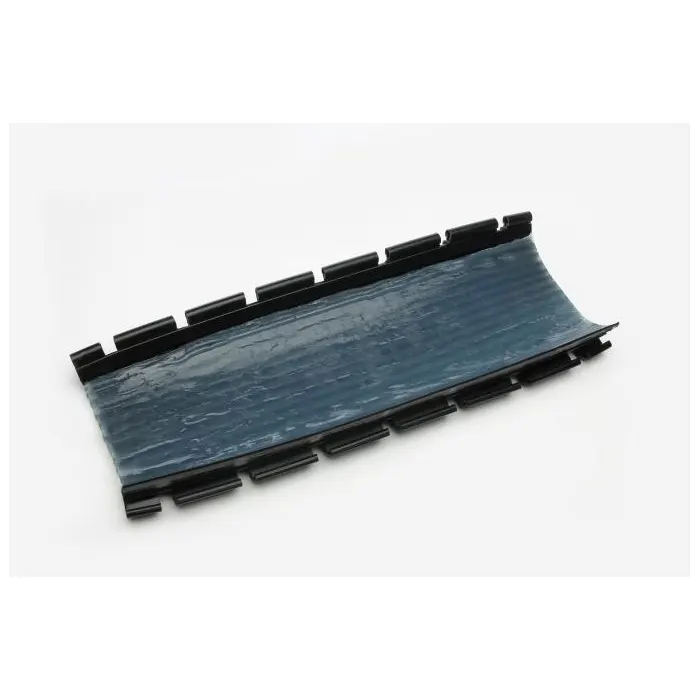
1. Core Risks of Unsealed Microduct Connector
In aerial fiber deployment, microduct connectors are exposed to complex outdoor environments. Without effective sealing, various external contaminants will invade the microduct interior, triggering multiple network failures:
2. How Professional Microduct Connector Sealing Improves Network Stability
High-quality microduct connector sealing solves the above industry pain points from multiple dimensions, building a stable protective barrier for the entire fiber network. The blqd® sealing solution further optimizes sealing performance for aerial application scenarios.
2.1 Isolates External Environmental Interference
Equipped with IP67 high-level protection grade, blqd® microduct connector sealing completely isolates moisture, dust and other pollutants. It effectively prevents external environmental factors from damaging internal fiber cables, ensuring long-term stable signal transmission without attenuation.
2.2 Optimizes Overall Connection Tightness
The product adopts high-performance composite materials and professional sealing structure, achieving a fully tight fit between microducts. It avoids loose connection and gap leakage caused by long-term wind vibration and temperature changes in aerial scenarios, maintaining the integrity of the microduct system.
2.3 Reduces Network Maintenance Frequency
Reliable sealing performance greatly reduces hidden dangers such as cable aging and local failure. The fiber network maintains stable operating status for a long time, reducing repeated inspection, repair and replacement work, and improving the overall operational stability of the communication system.
3. Advantages of blqd® Microduct Connector Sealing Solution
blqd® has launched targeted microduct connector sealing products for outdoor aerial fiber network projects, with superior material performance and standardized technical parameters, fully adapting to harsh outdoor working conditions:
4. Common Microduct Sealing Methods & Applicable Scenarios
At present, the mainstream microduct connector sealing technologies in the industry are divided into three categories, and engineers can select solutions according to actual project environments:
5. Key Tips for Sustained Network Stability
High-quality sealing products need standardized installation and daily maintenance to maximize network stability:
6. Conclusion
Microduct connector sealing is not only a basic protective process for fiber laying, but also a core key to determining the long-term stability and service life of communication networks. High-quality sealing solutions represented by blqd® can effectively isolate environmental interference, reduce network failure rates, and cut operation and maintenance costs. For aerial fiber communication projects pursuing high stability and long durability, standardized IP67 microduct connector sealing has become an indispensable core configuration.
As a professional microduct connector sealing solution provider, blqd® offers reliable sealing products and customized services for global fiber network engineering projects, helping customers build more stable and durable communication systems.